Understanding Postpartum Preeclampsia: What Every New Mama Needs
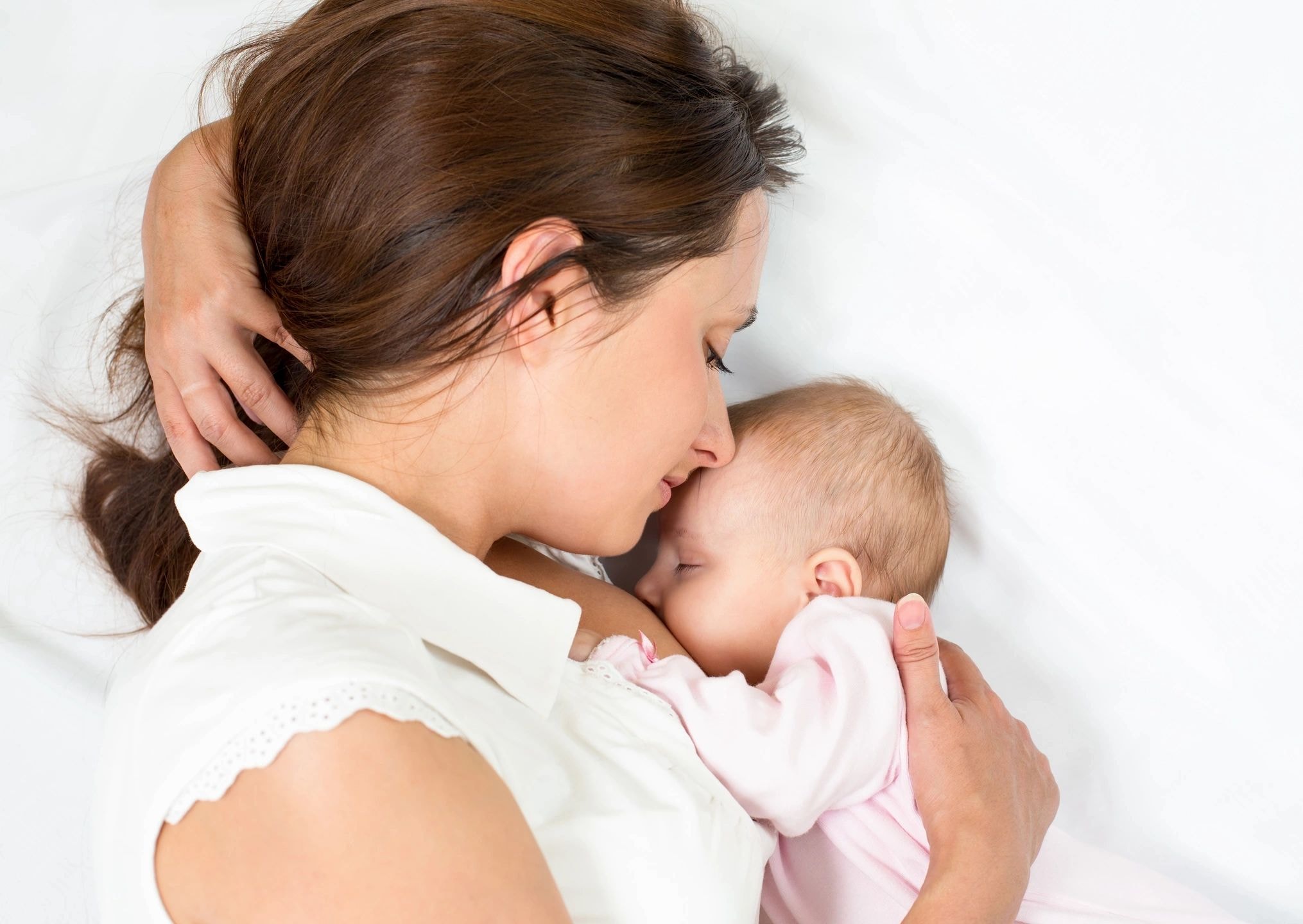
Postpartum preeclampsia is a serious condition that can develop after childbirth, even in women who had no issues during pregnancy. It typically occurs within 48 hours of delivery but can develop up to six weeks postpartum.
What Is Postpartum Preeclampsia?
Postpartum preeclampsia is high blood pressure that develops after you've given birth. Unlike preeclampsia during pregnancy, this condition can catch new mamas completely off guard — especially when the birth itself went smoothly.
Warning Signs to Watch For
High blood pressure (140/90 mmHg or higher) is the primary indicator. But there are other symptoms to be aware of:
- Severe headaches that don't go away
- Changes in vision — blurring, flashing lights, or temporary loss of vision
- Upper abdominal pain, especially on the right side
- Nausea or vomiting
- Decreased urination
- Sudden weight gain (more than 2 lbs in a week)
- Swelling in your face, hands, or feet
Who Is at Risk?
While any new mother can develop postpartum preeclampsia, certain factors increase the risk:
- History of high blood pressure or preeclampsia during pregnancy
- Obesity
- Carrying multiples (twins, triplets)
- First-time mothers
- Age 40 or older
- Diabetes or kidney disease
What to Do If You Suspect Postpartum Preeclampsia
This is a medical emergency. If you experience any of the symptoms above, especially severe headaches or vision changes, seek medical attention immediately. Do not wait to see if symptoms improve on their own.
Call your healthcare provider or go to the emergency room right away. Early treatment is critical to preventing serious complications like stroke, organ damage, or seizures (eclampsia).
Treatment
Treatment typically involves blood pressure medications and, in some cases, magnesium sulfate to prevent seizures. Most women recover fully with prompt medical care.
A Note from The Maternity Diary
Your postpartum health matters just as much as your baby's. In the rush of new parenthood, it's easy to put yourself last — but please, mama, pay attention to how your body feels. You deserve to be well. If something doesn't feel right, trust your instincts and get checked out. We're rooting for you.